
Dealing with an out of control teenager can be a challenging and emotionally draining experience for parents. The struggle to maintain a harmonious family dynamic often feels like an uphill battle. Effective parenting tips can make a significant difference in navigating these turbulent times.

Parents often find themselves at a loss when their teen’s behavior becomes out of control. Understanding the root causes of teen rebellion is crucial in addressing the issue. By adopting the right strategies, parents can regain control and foster a more positive relationship with their adolescent.
Recognizing the Signs of a struggling Teen
The journey to understanding an out of control teen begins with acknowledging the behavioral and emotional warning signs. Parents need to be vigilant and recognize these signs early to provide timely intervention.
- Aggression and Defiance: Aggressive behavior, such as verbal or physical hostility, and defiance against rules or authority figures, are significant indicators. Consistent defiance and aggression towards family members or others can signal deeper issues.
- Substance Use and Risky Behaviors: Experimentation with substances or engaging in risky behaviors like unprotected sex or reckless driving are dangerous signs. Monitoring their activities and conversations about these topics can provide insights into their behavior.
- Withdrawal and Isolation: Teens who start to withdraw from family and friends, or show a lack of interest in activities they once enjoyed, may be experiencing emotional distress. Noticing these changes early can help in providing support.
- Extreme Mood Swings: While mood swings are common in teens, extreme and persistent mood swings can be a cause for concern. Monitoring the intensity and frequency of these mood swings is crucial
Understanding the Root Causes Behind Teen Defiance
As adolescents navigate the challenges of growing up, their behavior can be shaped by a multitude of factors. To effectively address this rebellion, it’s essential to understand the underlying causes.
- Developmental Changes in Adolescence: During adolescence, significant physical, emotional, and cognitive changes occur. These developmental changes can lead to feelings of confusion, frustration, and rebellion. As teenagers strive for independence, they may challenge authority and push boundaries.
- Family and Environmental Influences: Family and environmental plays a crucial role in shaping a teenager’s behavior. Parenting styles, family conflicts, and exposure to stress or trauma can contribute to teen rebellion. Additionally, peer influences and social media can also impact a teenager’s behavior and attitudes.
- Depression and Anxiety: Depression and anxiety can manifest as irritability, mood swings, and rebellious behavior. Recognizing the signs of these conditions is crucial for providing appropriate support.
- ADHD and Conduct Disorders: Attention Deficit Hyperactivity Disorder (ADHD) and conduct disorders can also contribute to challenging behaviors. Understanding the characteristics of these conditions can help parents develop effective strategies to manage their teenager’s behavior.
The Impact on Family Dynamics and Relationships
An out-of-control teen can send shockwaves through the family, affecting parents, siblings, and the overall family dynamic. The strain of managing such behavior can lead to significant changes in how family members interact with each other.
Effects on Parents and Their Well-being
The emotional toll on parents is particularly noteworthy. The constant stress of dealing with an out-of-control teen can lead to parenting stress, affecting their individual well-being and overall health. Parents may feel drained, both emotionally and physically, as they struggle to manage their teen’s behavior while trying to maintain some semblance of family harmony.
These parents often experience a range of negative emotions, from anxiety and frustration to guilt and helplessness. The ongoing stress can impact their relationship with their partner and other children, potentially leading to marital conflicts and sibling resentment. It’s hard to know where to draw the line between support and consequences.

How Siblings Are Affected
Siblings of an out-of-control teen can also be significantly affected. They may feel neglected as parents focus more on the troubled teen, or they might be drawn into conflicts. The tension can lead to a strained sibling relationship, potentially causing long-term emotional scars.
Understanding these impacts is crucial. By recognizing the effects on both parents and siblings, families can begin to address the underlying issues and work towards healing and rebuilding their relationships.
De-escalation Techniques for Volatile Situations
De-escalation is about reducing the intensity of the situation. It involves understanding the teen’s emotional state and applying appropriate strategies to calm them down. Although it may feel that way, it is not avoiding the issue or giving into them. Rather, you are intentionally finding the best time to deal with the matters at hand.
- Staying Calm Under Pressure: Remaining calm is the first step in de-escalating a volatile situation. When parents stay calm, they set a positive tone for the rest of the family. As noted by Dr. Laura Markham, “Calm parenting is not about being permissive; it’s about being present and aware in the moment.” Staying calm under pressure allows parents to think more clearly and respond more effectively. It takes the power and control out of the stressful situation.
- Creating Physical and Emotional Space: Sometimes, teens need space to process their emotions. Creating both physical and emotional space can help de-escalate tensions. This means giving the teen room to breathe and time to calm down without being pressured to talk or resolve the issue immediately. It’s a good practice for all involved.
- Developing a Family Safety Plan: A family safety plan is essential for managing crises effectively. It involves identifying potential risks, establishing communication protocols, and knowing when to seek external help. By having a well-thought-out family safety plan, parents can better navigate crises and ensure a safer environment for everyone. This is especially important if your teen has begun to act out violently.

Establishing Effective Communication Channels
To mend the bond with your teenager, it’s essential to create an environment for healthy conversation. Effective communication is the foundation upon which trust is rebuilt and relationships are strengthened.
- Active Listening Skills That Build Trust: Active listening is more than just hearing words; it’s about understanding the underlying emotions and concerns. To practice active listening, give your teen your undivided attention, and avoid interrupting. Maintain eye contact, as appropriate and comfortable with your teen. If they are avoiding it, don’t force it. Use non-verbal cues, like nodding, to demonstrate empathy and understanding. Also, it’s helpful to repeat back what you’re hearing from them. This not only lets them know you are paying attention, but that you also want to make sure you have it right.
- Using “I” Statements Effectively: ‘I’ statements allow you to express your feelings and concerns without placing blame. For example, saying ‘I get worried when you get home late.’ instead of ‘You’re always late’ can prevent your teen from becoming defensive. As part of active listening skills, saying ‘I hear you would like more freedom’ not only validates them, it adds an opportunity to share what you expect for them to earn that privilege. It becomes a conversation, not blaming and demanding.
- Timing Your Conversations Strategically: Choosing the right moment to have a conversation can impact its effectiveness. Try to have important discussions when neither you nor your teen is not stressed or distracted. For example, meal times are better served as friendly chit chat about the day or silly conversations. More serious ones should have private time set aside (without siblings present), with enough time to work through the problem.
Setting Boundaries and Enforcing Consequences
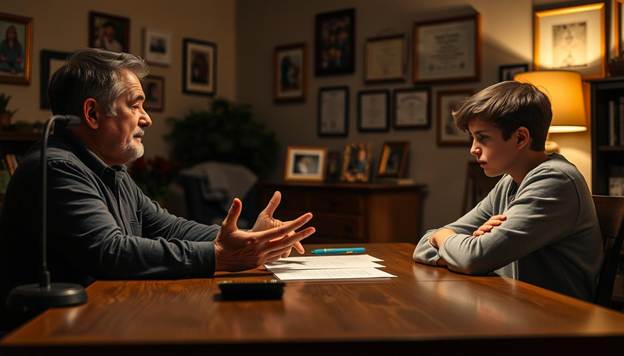
One of the most challenging yet essential tasks for parents of out-of-control teens is establishing and enforcing boundaries. This process involves creating a structured environment where teens understand the expectations and the consequences of not meeting those expectations.
Creating Clear, Age-Appropriate Rules
Establishing clear and age-appropriate rules is the foundation of effective boundary setting. Parents should involve their teens in the rule-making process to encourage understanding and compliance. Rules should be specific, measurable, and communicated clearly to avoid confusion.
Consistent Enforcement Strategies
Consistency is key when enforcing consequences. Parents must ensure that the consequences for breaking rules are enforced every time a rule is broken. This consistency helps teens understand that the rules are not optional. Remember when they would tantrum at the grocery store about getting their favorite candy? It’s the same thing as teenagers. If they know what the consequence is, and that they will get it, they are less likely to try and push you until you give in.
Natural vs. Logical Consequences That Work
There are two types of consequences that are effective: natural and logical. Natural consequences are those that occur naturally as a result of a teen’s actions, such as feeling cold for not wearing a coat. Logical consequences, on the other hand, are imposed by parents and are related to the misbehavior, such as losing phone privileges for not completing homework. Both types help teens learn from their mistakes.
Parental Self-Care
The journey of parenting a troubled teen can be emotionally draining, highlighting the need for self-care. As a parent, you’re not only dealing with your teenager’s challenges but also managing your own stress and emotional well-being.
- Managing Your Stress and Emotional Health: Effective stress management is crucial for parents dealing with out-of-control teens. Techniques such as mindfulness, meditation, and regular exercise can significantly reduce stress levels. It’s also important to maintain a healthy lifestyle, including a balanced diet and adequate sleep.
- Building a Support Network for Yourself: Having a strong support network is vital for parents navigating the challenges of raising a difficult teenager. This network can include family members, friends, or professional counselors.
- Parent Support Groups: Joining a parent support group can provide a sense of community and understanding. These groups offer a platform to share experiences, receive advice, and gain emotional support from others facing similar challenges.
- Personal Mental Health Resources: Accessing personal mental health resources, such as therapy or counseling, can be incredibly beneficial. These resources help parents manage their mental health, develop coping strategies, and improve their overall well-being.
Find the Support You Need
As we’ve explored throughout this article, dealing with an out-of-control teen can be a challenging and emotionally draining experience for families. Understanding the root causes of rebellion, establishing effective communication channels, and setting clear boundaries are crucial steps toward regaining control and fostering a more positive family dynamic.
You’re Not Alone. Our Therapists are here to help, in Pearland, TX.
Hang in there. This won’t last forever, even if some days feel like it might. You’re planting the seeds for future blossoms. All our therapists at Blue Horizon Counseling offer sessions both in person and via telehealth. Find the right therapist for you. We accept most major insurance plans.
How to get started today
1.
2.
3.
Contact Us
Have your first session
Address your Stressors
Written by Heather Dunn, Licensed Professional Counselor Supervisor and Licensed Marriage and Family Therapist Supervisor, specializing in trauma, dissociation and EMDR. Heather has been practicing for over 20 years and enjoys sharing her knowledge and helpful tips.
If you found this article helpful, be sure to follow us on Facebook and Instagram.