
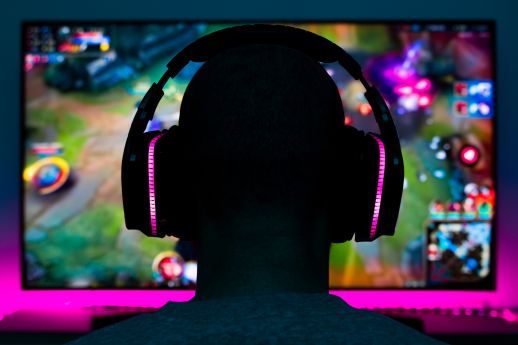
Many people enjoy virtual worlds, but sometimes these hobbies start to dominate your life. If you are here, you maybe suffering from a gaming addiction. It is okay to admit that you need a change. Finding a gaming addiction specialist can help you find your footing again. When digital play becomes a problem, it impacts your health and relationships. Balance is essential for a happy life. You deserve a future filled with real-world connections and personal growth.
Seeking support does not mean giving up your passions entirely. It simply means learning how to set boundaries for a healthier lifestyle. Let us walk through the best ways to find the help you need today.
What are the signs of a gaming addiction?
Gaming addiction is characterized by excessive and compulsive gaming behavior, despite negative consequences on the individual’s life. The World Health Organization (WHO) recognized gaming disorder as a mental health condition in 2018, highlighting its severity and impact.
Behavioral Warning Signs
- Spending increasing time gaming, your life revolves around when you game
- Feeling restless or uncomfortable when you can’t game
- Neglecting other obligations and commitments to game – work, social engagements, school
- Gaming despite negative impact on career, relationships and finances

Physical and Emotional Warning Signs
- Physical symptoms like eye strain, headaches, carpal tunnel, backaches
- Emotional symptoms like anxiety, depression, mood swings (lack of joy, constant worry, changes in how/what you eat and sleep patterns, trouble concentrating)
- Using gaming as a distraction to escape from stress or hard emotions
Negative Consequences
- Poor performance at work or school – arriving late and/or unprepared, unfinished projects, lack of productivity, write-ups from supervisors or teachers
- Strained personal relationships – lose real life relationships as you start isolating into the online world
- Lying about your gaming habits such as how much time or money you spend gaming, or people you meet online
How does Gaming Addiction Develop?

Game developers have what is called a ’40 second rule’, this means that every 40 seconds something new and shiny should happen to grab your attention. What this actually is can vary depending on the type of game you play, however the outcome is still the same. Basically, this mini event that happens every minute or so releases a dose of dopamine, a hormone that encourages motivation, attention and mood regulation.
Your willpower doesn’t stand a chance against this constant reinforcement; Gaming = Joy. Games that don’t provide this constant input, or are slower paced, likely don’t hold your interest. People with ADHD tend to be even more susceptible, their brains are even more dopamine seeking than average. It’s also particularly attractive to players under the age of 25. The prefrontal cortex, or thinking/planning part of the brain is still growing and maturing. It’s harder for them to see the negative consequences their gaming may have.
With all this in mind, you aren’t really addicted to the gaming itself. You’re addicted to the dopamine rush that you experience with gaming. That boost becomes more important than other responsibilities such as work, paying bills and staying active. This is the common thread in most addictions – finding ways to activate dopamine, the difference is whether it’s with gaming, shopping, gambling, eating, sex, porn or food.
How can I get help with a gaming addiction?
Most insurance policies cover therapy for addictions, your out of pocket costs will depend on your specific plan. Many people start their process with an outpatient mental health therapist. They will do an evaluation with you and assess if you have need a higher level of care; depending on the severity of your addiction, type of addiction and the extent of your support system.

Cognitive Behavioral Therapy (CBT) is recognized as an effective type of treatment. It helps you identify negative thought patterns that have developed, such as ‘I only feel good about myself when I’m gaming’ or ‘Gaming is my only outlet for my stressful job/homelife/situation’. Once recognized, your therapist will work with you to determine how accurate those statements are and if there are other ways of looking at the situation. Having a different outlook can lead to different behaviors.
Eye Movement Desensitization and Reprocessing (EMDR) is also very helpful. It uses your brain’s own networks and rewards center to help you see the pros and cons of your gaming more objectively. For example, it will help you see that there are downsides to your gaming, and that there are other times that feel good about yourself.
You’re Not Alone. Our Therapists are here to help, in Pearland, TX.
Hang in there. This won’t last forever, even if some days feel like it might. You’re planting the seeds for future blossoms. All our therapists at Blue Horizon Counseling offer sessions both in person and via telehealth. Find the right therapist for you. We accept most major insurance plans.
How to Start Therapy Today
Blue Horizon Counseling is located in Pearland, Texas for in person sessions. We are located at the corner of Broadway and Hwy 35, in northern Brazoria County and near southern Harris County. Follow these steps to get started on your journey:
1.
2.
3.
Contact Us
Have your first session
Address your Stressors
Written by Heather Dunn, Licensed Professional Counselor Supervisor and Licensed Marriage and Family Therapist Supervisor, specializing in trauma, dissociation and EMDR. Heather has been practicing for over 20 years and enjoys sharing her knowledge and helpful tips.
If you found this article helpful, be sure to follow us on Facebook and Instagram.